
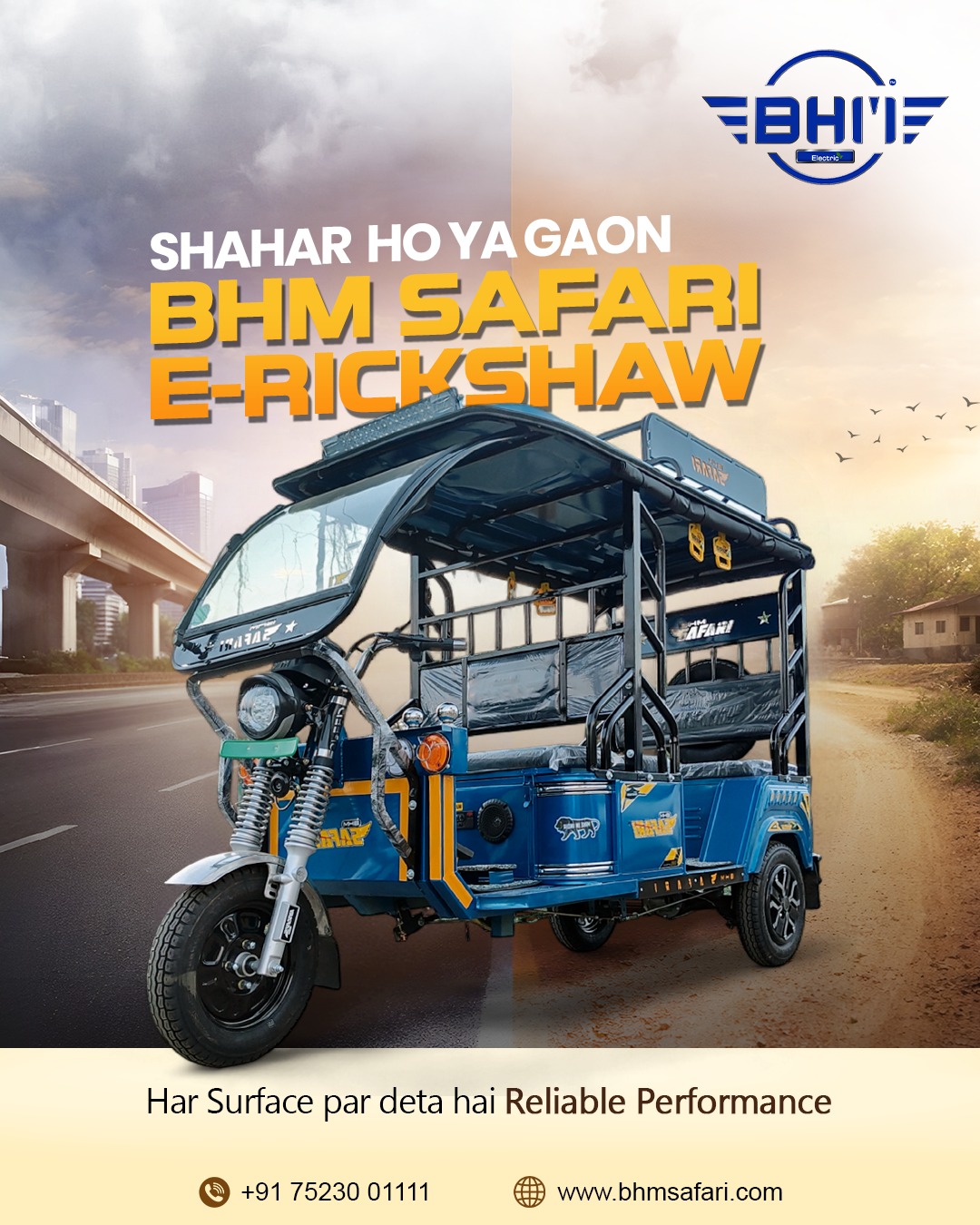
Clean mobility is steadily becoming a practical solution for everyday transportation. Electric three wheelers are now widely used for passenger movement and last mile connectivity in many cities and towns. This shift has created new opportunities for battery operated rickshaw manufacturers, especially as government policies continue to encourage electric vehicle adoption. Supportive regulations, financial incentives, and manufacturing programs are helping the industry expand while also making electric vehicles more accessible for drivers and fleet operators.
Strong policy support for electric vehicles
Government efforts to promote electric mobility have brought significant momentum to the electric rickshaw industry. Authorities have introduced several programs that focus on reducing vehicle emissions while encouraging the use of electric transport. These policies are designed to support both manufacturers and buyers. Lower purchase costs, tax benefits, and financial incentives have made electric three wheelers a practical option for many transport operators. As a result, the demand for electric rickshaws has grown steadily across urban and semi urban regions.
Financial incentives driving market growth
Subsidy programs introduced by the government have played a major role in encouraging the adoption of electric vehicles. These incentives reduce the overall purchase cost, making electric rickshaws more attractive for drivers who want to start or expand their transport business. Many state governments also provide additional benefits such as registration fee exemptions and road tax reductions. These steps allow drivers to recover their investment faster and operate vehicles with lower financial pressure. The increase in buyer interest has created consistent demand for battery operated rickshaws manufacturers.
Manufacturing programs supporting local production
Government initiatives aimed at strengthening domestic manufacturing are helping the electric vehicle sector grow faster. Programs that support local production of batteries and vehicle components are encouraging companies to expand their manufacturing capabilities. These initiatives also help reduce dependency on imported components. As production improves locally, manufacturers are able to maintain better quality control while also improving supply chain efficiency. Such developments are strengthening the overall electric mobility ecosystem.
Expansion of charging and EV infrastructure
Infrastructure development has become another important focus of government EV policies. Charging stations and battery support facilities are gradually expanding across different regions. Improved infrastructure helps drivers operate electric vehicles with greater confidence. With easier access to charging options, electric rickshaws become a more practical choice for daily transport operations. This infrastructure growth further supports the long term expansion of the electric three wheeler market.
Increasing demand for electric three wheelers
Electric rickshaws are widely preferred for short distance travel because they offer lower operating costs compared to fuel based vehicles. Transport operators are also attracted to the quieter operation and lower maintenance requirements of electric models. With supportive policies and rising awareness about eco-friendly transport, the demand for electric vehicles continues to grow. This has created significant opportunities for manufacturers to expand production and introduce improved vehicle designs.
Conclusion
Government EV policies have created a strong foundation for the growth of electric mobility. Financial incentives, manufacturing support, and infrastructure development are helping the electric rickshaw industry move forward with greater speed. As adoption continues to increase, battery operated rickshaw manufacturers are focusing on producing vehicles that offer better performance, efficiency, and reliability. At BHM Safari, we remain committed to supporting this transition by delivering electric mobility solutions that contribute to cleaner and more efficient transportation.